The "No-Living-Room" Rule: How Baltimore Investors Are Turning Rowhomes into Cash Flow Machines
If you’ve invested in Baltimore real estate for any amount of time, you know the classic rowhome layout. You have the front door, the narrow living room, the walk-through dining room, and the cramped kitchen. It’s charming, but for an investor? It’s a profit-killer.
Most landlords spend their days managing "the drama." You know the drill: broken sofas, arguments over who pays for the internet, and the constant stress of one family failing to pay, leaving your entire mortgage exposed.
The most successful co-living operators in Baltimore have stopped trying to "fix" that traditional layout. Instead, they’ve abandoned it. Here is why the "No-Living-Room" strategy is the biggest secret to maximizing your ROI in the city.
1. The Death of the "Shared Struggle"
In Baltimore’s typical rental, the living room is a "no-man's land." It’s where disputes are born. By keeping an open-concept living room, you are essentially inviting five or six members to fight over shared space, thermostat settings, and guest policies.
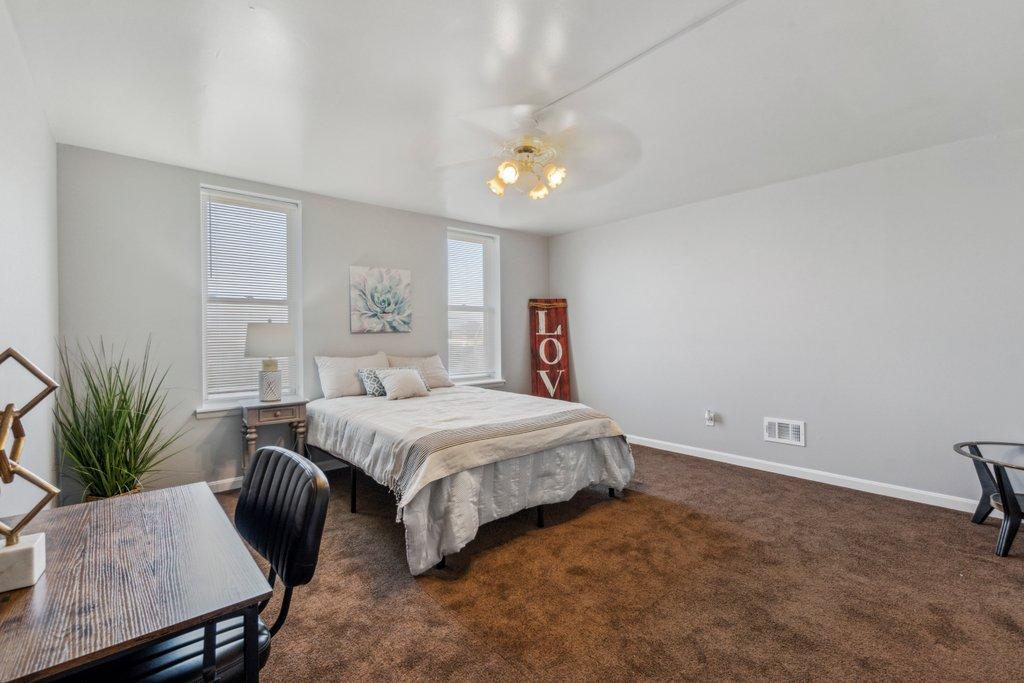
When you remove the living room and formal dining room, you aren't just taking out furniture you are redefining the house from a "shared dormitory" to a "private micro-living suite."
The Result: Your residents no longer view the house as a social club. They view it as their private sanctuary. They come home, go to their bedroom, and keep the kitchen clean.
The Investor Benefit: When there is no shared space to argue over, there is no drama to manage. Your management workload drops, and your tenant retention sky-rockets because your residents actually have peace and quiet.
2. Converting "Empty Square Footage" into Monthly Checks
In the Baltimore market, every square foot that isn't a bedroom is essentially a "cost center."
If you have a 3-bedroom rowhome, you are likely banking on one high-paying family to stay put. If they leave, your vacancy isn't just a loss it’s a crisis. But by converting that "dead" living room and dining room into two or three additional private bedrooms, you change the math completely:
Traditional Model: 1 rent check of $2,000. 100% vacancy risk.
Optimized Co-Living Model: 6 rent checks of $700–$900 each.
The Safety Net: If one resident leaves, you are still operating at 83% capacity. You are never "in the red" because your mortgage is always covered by the remaining residents.
Baltimore Property Design: Why We Do It Differently
In Baltimore, this isn't just about throwing up a wall. It’s about Code Compliance. Between egress requirements, fire-safety standards, and HVAC circulation, the design phase is where Baltimore deals succeed or fail.
At Indigo Blue Property Management, we’ve perfected the "No-Living-Room" rowhome design. We turn Baltimore’s historic layout into modern, high-yield assets that look good and perform even better. We don't just manage the property; we engineer the floor plan to make you the most money possible.
Are you ready to stop managing drama and start managing cash flow?
See how we transform Baltimore rowhomes into high-yield assets here →