A Tenant Sued the Landlord Over One Maintenance Issue: What Every Rental Property Owner Can Learn
A Small Maintenance Issue. A Major Lawsuit.
Imagine receiving a phone call that every rental property owner dreads.
One of your tenants has been seriously injured inside your rental property. Medical bills are piling up, attorneys are involved, and suddenly everyone is asking the same question:
"When did the owner know about the problem?"
Many landlords assume lawsuits only happen because of major catastrophes like fires or structural failures. In reality, many legal disputes begin with something much smaller: a maintenance issue that wasn't addressed promptly.
One documented negligence case involving inadequate property security resulted in a $1.3 million settlement after an individual was assaulted inside a managed building. While every case is unique, it serves as a reminder that overlooking property risks can have serious financial consequences.
The good news? Most of these situations are preventable.
Consider this fictional but very realistic scenario inspired by common property management risks discussed in professional training.
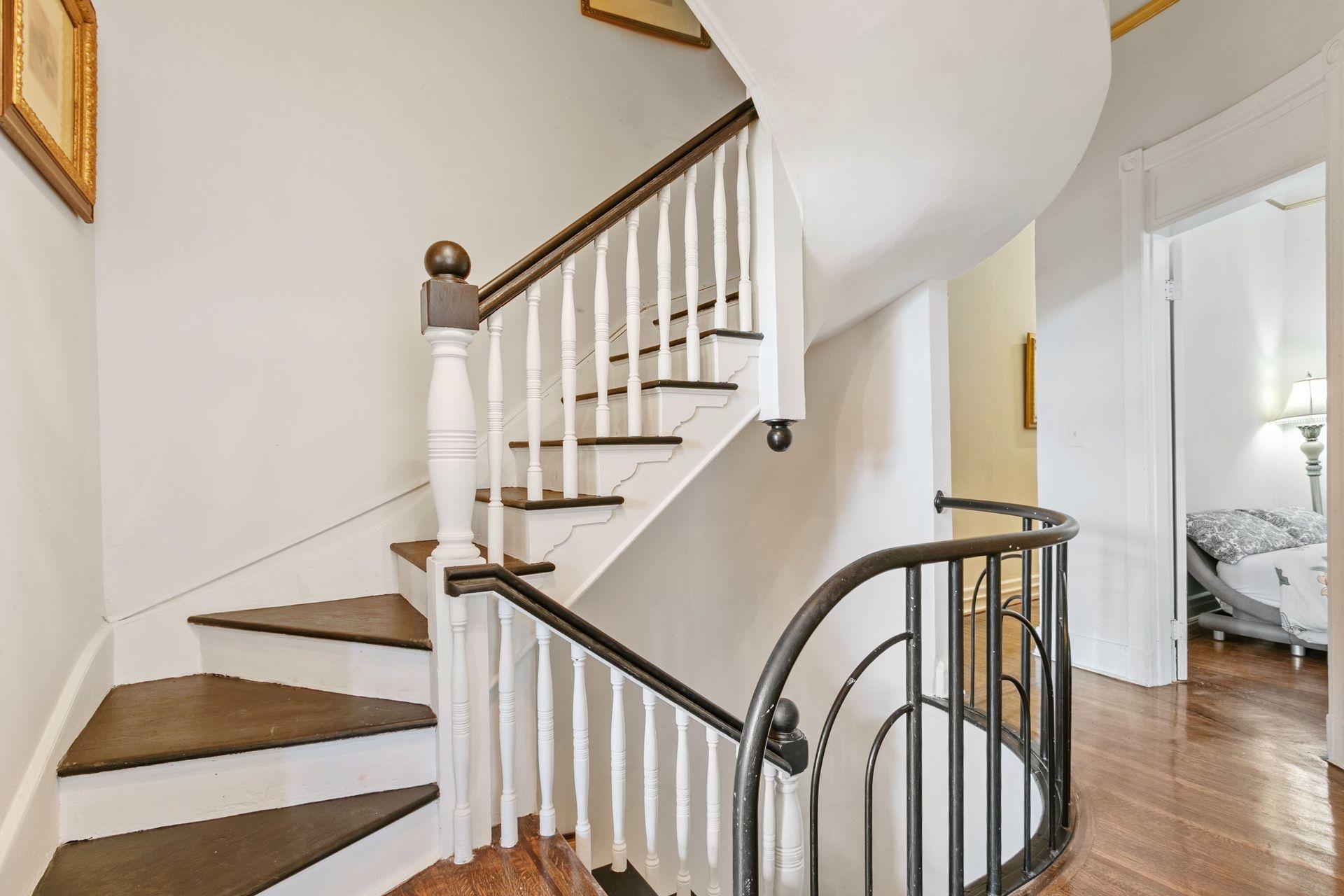
A tenant reports that the handrail leading to the front entrance feels loose.
The owner plans to "look at it next weekend."
A week later another maintenance request comes in.
Then another.
Since no one has fallen yet, repairing the handrail doesn't feel urgent.
Unfortunately, one rainy evening the tenant slips while using the unstable railing, falls down several steps, and suffers a serious injury.
Within days:
Medical expenses begin accumulating.
The tenant contacts an attorney.
Insurance companies request maintenance records.
Everyone wants to know whether the owner knew about the problem before the accident.
At that point, the question is no longer whether the repair was expensive.
The question becomes whether reasonable care was taken to maintain a safe property.
Where Things Went Wrong
In many liability cases, the maintenance issue itself isn't what creates the greatest problem.
It's what happened after the issue was reported.
Common mistakes include:
Ignoring maintenance requests
Delaying repairs without documenting why
Hiring unqualified contractors
Failing to inspect the property regularly
Keeping poor maintenance records
Assuming "it's probably fine"
Professional property managers are trained to reduce these risks through inspections, documentation, qualified vendors, and consistent maintenance procedures because negligence often comes down to whether reasonable care was exercised.
What Courts Often Look For
Although landlord-tenant laws vary by state, courts frequently examine questions like:
Was the owner aware of the issue?
Was the issue reported?
Was the repair completed within a reasonable timeframe?
Was the property inspected regularly?
Were qualified contractors used?
Is there documentation showing what actions were taken?
Without documentation, it becomes much harder to demonstrate that reasonable steps were taken.
Why Preventive Maintenance Costs Less Than Emergency Repairs
Many owners view maintenance as an expense.
Successful investors view it as risk management.
A preventive maintenance program can help identify issues before they become emergencies, including:
Loose handrails
Water leaks
Electrical hazards
HVAC problems
Smoke detector failures
Trip hazards
Roof leaks
Plumbing issues
Small repairs completed early often prevent much larger repair bills and significantly reduce the likelihood of tenant injuries.
Documentation Is Your Best Defense
One of the biggest lessons experienced property managers learn is simple:
If it isn't documented, it's difficult to prove it happened.
Every maintenance issue should ideally include:
The date the request was received
Photos before repairs
Vendor invoices
Repair completion dates
Follow-up communication with the resident
These records demonstrate that the owner acted responsibly if questions arise later.
Choose Qualified Vendors
Trying to save money by hiring unlicensed or uninsured contractors can create additional liability.
Professional property management practices generally recommend working with licensed, insured vendors whenever possible, especially for electrical, plumbing, HVAC, roofing, and structural work.
Quality workmanship protects both your investment and your residents.
A Professional Property Manager Helps Reduce Risk
Property management is about much more than collecting rent.
An experienced management company helps owners by:
Scheduling routine inspections
Tracking maintenance requests
Coordinating qualified vendors
Documenting repairs
Maintaining communication with residents
Identifying potential liability before it becomes expensive
The goal isn't simply fixing problems.
Whether you own one rental property or an expanding portfolio, reducing risk starts with having the right systems in place.
At Indigo Blue Property Management, we help rental property owners stay ahead of maintenance issues through proactive inspections, qualified vendor coordination, detailed documentation, and professional property management designed to protect both your investment and your residents.