How to Prepare Your Rental Property Between Tenants: A Turnover Checklist for Landlords
Moving day is over. Your tenant has handed back the keys.
Now what?
For many landlords, the period between tenants is one of the most important—and often overlooked—parts of owning a rental property.
A successful turnover isn't just about cleaning the unit. It's your opportunity to protect your investment, address maintenance issues, improve your property's appeal, and prepare for your next qualified tenant.
An organized turnover process can reduce vacancy, minimize costly repairs, and help your next lease begin on the right foot.
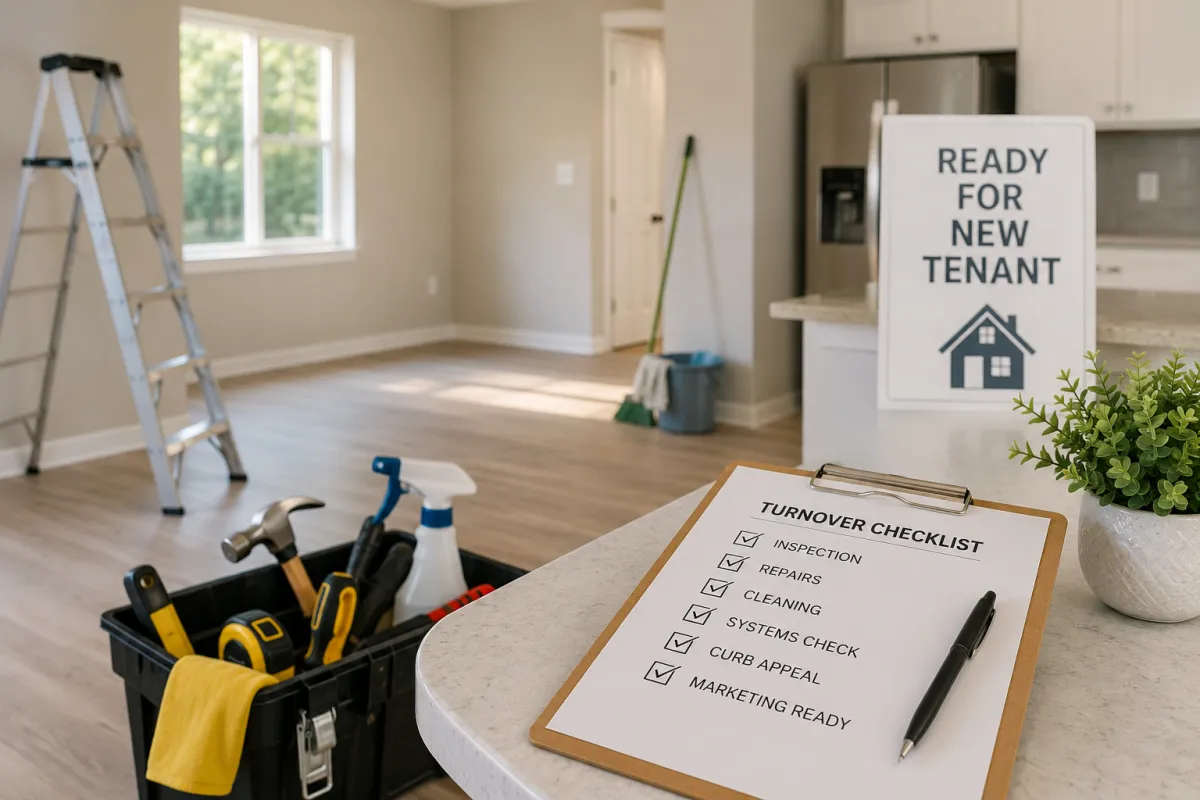
Whether you manage your own rentals or are considering working with a professional property management company, here's a complete turnover checklist every landlord should follow.
1. Conduct a Thorough Move-Out Inspection
The first step is to evaluate the property's condition before scheduling repairs or marketing the home.
Walk through every room and carefully document anything that needs attention.
Look for:
Damage to walls or flooring
Appliance condition
Plumbing leaks
Broken fixtures
Window or door damage
Signs of water intrusion
Smoke and carbon monoxide detector functionality
Take detailed photos and compare the home's condition to your original move-in inspection whenever possible.
A thorough inspection not only helps determine what needs to be repaired but also provides documentation if questions arise regarding the security deposit.
2. Separate Normal Wear and Tear from Tenant Damage
Not every imperfection should be charged to the former tenant.
One of the biggest challenges for landlords is understanding the difference between normal wear and actual damage.
Normal wear may include:
Faded paint
Minor carpet wear
Small nail holes
Loose cabinet handles
Damage may include:
Large holes in drywall
Broken windows
Missing appliances
Pet damage
Broken doors
Excessive trash left behind
Understanding this distinction helps landlords remain fair while protecting their investment.
3. Complete Repairs Before Listing the Property
It's tempting to list a property immediately after a tenant moves out.
However, delaying necessary repairs can lead to fewer inquiries, longer vacancies, and lower-quality applicants.
Common turnover repairs include:
Fresh paint
Flooring replacement
Plumbing repairs
HVAC servicing
Appliance repairs
Lighting updates
Door and lock repairs
Small improvements today often prevent expensive maintenance calls after the next tenant moves in.
Related Reading: 5 Affordable Upgrades That Can Increase Your Rental's Value Without a Full Renovation
Simple improvements can make your property more attractive while increasing its rental potential.
4. Deep Clean Every Room
A clean property photographs better, shows better, and often rents faster.
Your turnover cleaning should include:
Kitchen appliances
Cabinets and countertops
Bathrooms
Windows
Baseboards
Ceiling fans
Closets
Floors
Light fixtures
If your property has outdoor areas, don't forget to tidy entryways, patios, balconies, or landscaping.
First impressions matter.
Many professional property management companies coordinate cleaning immediately after repairs are completed to minimize downtime between tenants.
5. Check Every Major System
Before welcoming a new resident, confirm that the home's essential systems are functioning properly.
Test:
Heating and cooling
Water heater
Smoke detectors
Carbon monoxide detectors
Electrical outlets
GFCI outlets
Plumbing fixtures
Appliances
Garage doors (if applicable)
Finding these issues before move-in helps reduce emergency maintenance requests during the first few weeks of a new lease.
6. Rekey or Update Property Access
Security should never be overlooked during a turnover.
Depending on your property and local requirements, consider:
Rekeying locks
Changing smart lock codes
Updating keypad access
Collecting all keys
Verifying mailbox keys
Testing garage remotes or access fobs
New tenants should feel confident they're the only people with authorized access to the property.
7. Refresh Your Property's Curb Appeal
Prospective tenants begin forming opinions before they ever step inside.
Simple exterior improvements can dramatically increase interest in your listing.
Consider:
Mowing the lawn
Trimming shrubs
Pressure washing sidewalks
Replacing burnt-out exterior lights
Cleaning gutters
Adding fresh mulch
Touching up exterior paint
Small details help your property stand out in a competitive rental market.
8. Update Your Marketing Photos
If you've made repairs or improvements, update your listing photos.
Professional-quality images help prospective tenants visualize themselves living in the home and often generate more inquiries than outdated or poorly lit photos.
Effective marketing also includes:
Accurate descriptions
Competitive pricing
Fast response times
Broad online exposure
Marketing a rental property is more than posting photos—it's about attracting qualified applicants quickly.
Learn More: Discover how professional property management can help market your rental property, coordinate showings, and reduce vacancy time.
9. Review Your Rental Price
Rental markets change throughout the year.
Before advertising your property, review comparable rentals in your neighborhood and evaluate:
Current market demand
Property condition
Nearby competition
Seasonal trends
Recent upgrades
Pricing your rental appropriately can significantly reduce the number of days it sits vacant.
An experienced property manager continuously monitors local market conditions to help owners maximize rental income while remaining competitive.
10. Prepare for Your Next Tenant
Before handing over the keys, make sure everything is ready.
Your move-in process should include:
Final inspection
Signed lease agreement
Move-in documentation
Maintenance instructions
Utility information
Keys and access devices
Emergency contact information
A well-organized move-in creates a positive experience for new residents and establishes clear expectations from day one.
Every Day Your Property Sits Vacant Costs Money
Vacancy isn't just the absence of rent.
It also means continuing to pay:
Mortgage payments
Property taxes
Insurance
Utilities
Lawn care
Maintenance expenses
An efficient turnover process helps reduce downtime while protecting the long-term value of your investment.
That's why many landlords choose to implement standardized systems—or partner with a property management company that already has them in place.
When Should You Consider Professional Property Management?
Managing a turnover may seem straightforward when you own one property.
As your portfolio grows, however, coordinating inspections, contractors, repairs, marketing, tenant screening, lease preparation, and move-ins can quickly become a full-time job.
Professional property management helps streamline every stage of the turnover process, allowing owners to focus on growing their investments instead of managing daily operations.
Whether you own a single-family rental, multiple long-term properties, or multifamily investments, having experienced support can save both time and money.
Let Indigo Blue Property Management Help You Reduce Vacancy
At Indigo Blue Property Management, we help landlords prepare their properties for success between every tenancy.
Our team coordinates inspections, maintenance, professional marketing, tenant placement, lease execution, and move-in preparation to help minimize vacancy and protect your investment.
Whether you're self-managing your first rental or growing a portfolio across Maryland, Baltimore, or the surrounding areas, we're here to help you maximize your property's performance.